





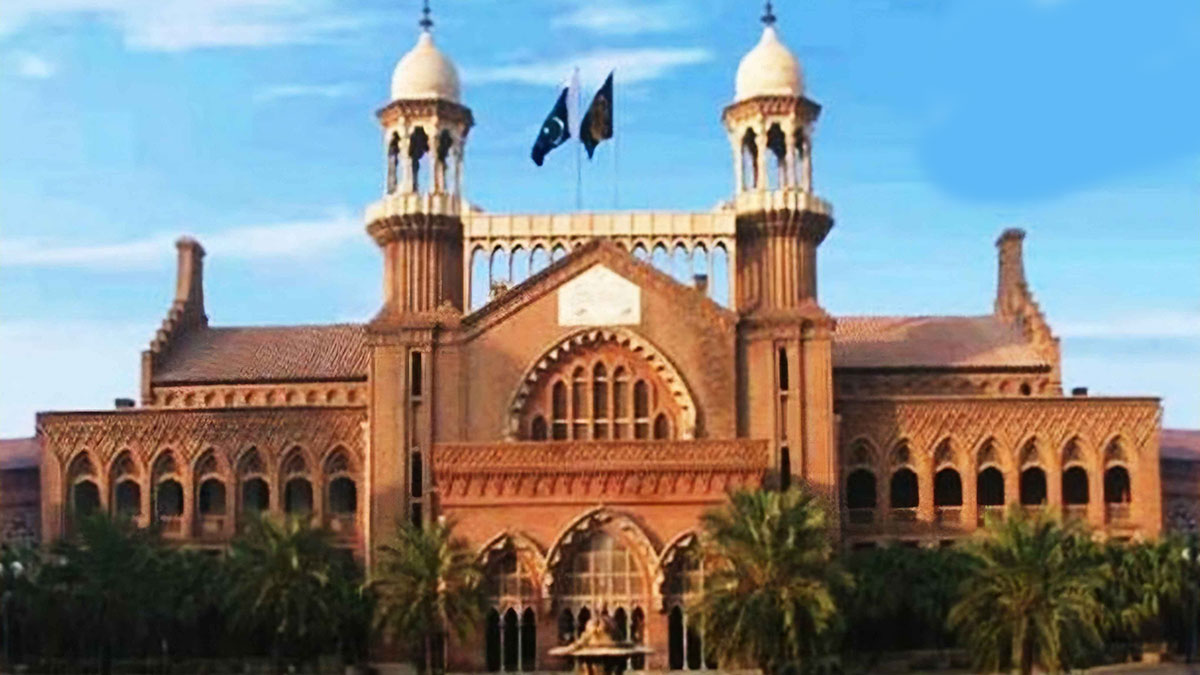
Corporate Rehabilitation Over Liquidation LHC Approves Scheme of Arrangement
We are pleased to announce a significant legal victory in corporate restructuring and company law. The Lahore High Court (Rawalpindi Bench), presided over by the Honourable Mr. Justice Jawad Hassan, has officially sanctioned the Scheme of Arrangement for Arzoo Textile Mills Limited under Section 279 of the Companies Act, 2017.
Representing the Petitioner, our Partner, Mikael Azmat Rahim, successfully navigated complex restructuring arguments to secure a landmark order that revives the company as a going concern, safeguards massive stakeholder value, and protects industrial employment.
The case involved a highly technical corporate issue: whether the dissent or absence of a No Objection Certificate (NOC) from a single major secured creditor—in this case, National Bank of Pakistan (NBP)—could stall a commercial arrangement overwhelmingly backed by the rest of the statutory majority.
Mikael Azmat Rahim, Partner, argued the legislative intent of Section 279, demonstrating that the collective commercial wisdom of the statutory majority cannot be held hostage by individual dissent, provided the dissenting creditor’s legal rights are handled equitably. Drawing upon robust jurisprudence across provincial jurisdictions (including seminal judgments from the Sindh and Balochistan High Courts), the arguments effectively proved that all substantive and procedural milestones had been meticulously fulfilled.
We express our immense gratitude and professional appreciation to Mr. Justice Jawad Hassan. Known for his profound expertise in commercial and corporate jurisprudence, the judgment balances the protection of minority/dissenting creditor rights with the broader, progressive economic objective of corporate rehabilitation over terminal liquidation. By providing clear, structured mechanisms to address implementation challenges, the Court has once again reinforced a predictable, pro-business legal environment in Pakistan.
This decision stands as a vital precedent for corporate restructuring in Pakistan, showing that structured, statutory majorities can successfully chart pathways to financial health even amidst complex credit landscapes.